Hydrogen peroxide can be used for a variety of purposes. Even though it’s a popular home cleaning tool, you should still exercise caution when using it.
You’ve come to the correct site if you’re wondering how to securely handle hydrogen peroxide and how to utilise it in numerous ways. Continue reading this concise guide for all the information you’ve been looking for.
Before we get into some safety precautions, let’s have a look at how hydrogen peroxide may be utilised.
What Exactly Is Hydrogen Peroxide?
Hydrogen peroxide is a typical disinfectant that may be used on everything from your ears to your counter-tops. You must use it cautiously and appropriately or you risk exposing yourself to toxic chemicals.
Disinfectant using Hydrogen Peroxide
Disinfection is one of the most popular applications for hydrogen peroxide. Peroxide has the ability to destroy a wide range of organisms, including fungus and viruses. You’ll want to clean off all of your home’s surfaces, especially at a time when individuals are transferring COVID from one person to another.
However, before using peroxide as a cleaning agent, we recommend diluting the solution according to the bottle’s instructions. If you don’t combine the appropriate amount of water and peroxide, the solution will be overpowering and difficult to handle if you spill it.
You may use the cleaning solution on countertops after you’ve made it by pouring it on the surface and letting it sit for up to 15 minutes. After allowing it to soak on the counter surface, wipe it away with a paper towel or clean dishcloth.
Washing Vegetables
Washing fresh fruits and vegetables before eating them should become a habit. You have no idea what chemicals and pesticides were on the soil where the fruits and vegetables were produced.
Mix some hydrogen peroxide with water and soak the veggies in the solution for 20-30 minutes before eating. This removes residual germs and ensures that the veggies survive longer than they would have if you hadn’t soaked them.
Remover of Stains
We’ve all gone to the shop and purchased pricey stain removal solutions, not understanding that we already possessed the ingredients needed to remove stains from our houses. One of the numerous applications of hydrogen peroxide is the removal of stains from clothing, such as blood and grass stains.
Gently clean the stain with hydrogen peroxide before placing the garment item in the washing machine and watch it fade. If the stain isn’t coming out, pour some peroxide on it and let it set for a few minutes before putting it in the washing machine.
Whitener for Teeth
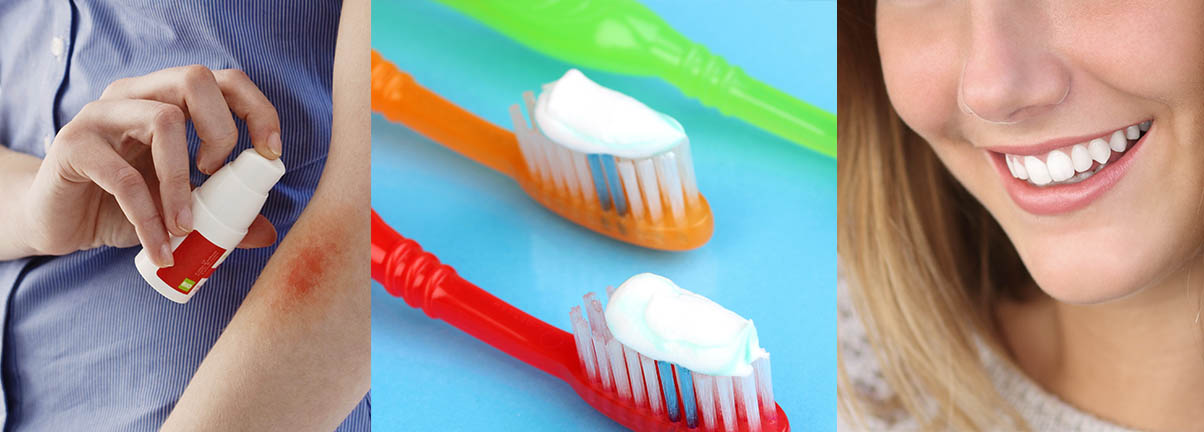
Assume you’re seeking for a solution to whiten your teeth. Forget about all the whiteners you’ve seen on TV and go straight for the hydrogen peroxide. Brush your teeth frequently after mixing a little amount of peroxide with your normal toothpaste.
After the first brush, you’ll notice a considerable improvement in your grin. Because some toothpaste already contains peroxide, it is suggested that you see your dentist before using hydrogen peroxide.
Alternatively, you may create your own toothpaste. Now that you know how to utilise it, we think it’s time you learnt about hydrogen peroxide safety precautions.
Make Use of a Mask
When employing a hydrogen peroxide combination, it is advised that you wear a mask and work in a well-ventilated location. When you use hydrogen peroxide in a confined location, it can make breathing difficult, and in severe circumstances, you may stop breathing entirely.
When working with the chemical, do not use it for an extended amount of time.
Ingestion by Accident
The last thing you want to do if you unintentionally swallow any hydrogen peroxide is try to vomit it out. If you vomit, you risk damaging your oesophagus and leaving your throat raw and sore.
If you have eaten it, get medical treatment right once, and if you are wearing tight clothes, remove or loosen it.
Contamination of the Skin
As with unintentional ingestion, we all get clumsy at times and may spill the hydrogen peroxide solution on ourselves or our clothing. If you get the solution on your skin, you should quickly run it under cool water and cover your skin.
Remove any contaminated clothing and rinse the skin that has been damaged by the hydrogen peroxide. When cleansing the skin with a light soap, rinse it well.
Storage
When storing hydrogen peroxide, make sure it’s not in a location where youngsters may readily get it. You should also avoid placing it in places that undergo extreme hot or cold conditions.
Also, keep it away from anything that might catch fire.

