-
What Is Your Skin Trying To Tell You?
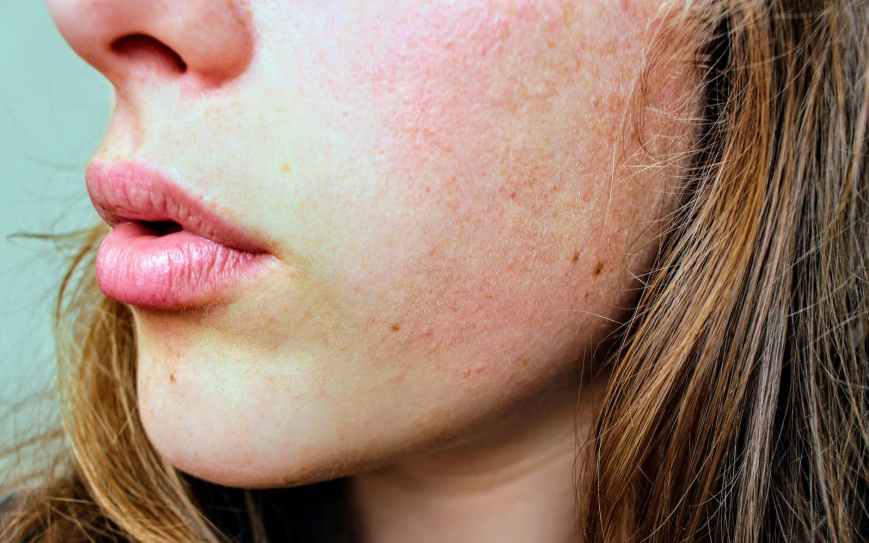
Your skin is talking to you, but you may not always understand what it has to say. The most common changes in the skin, such as redness, wrinkles, age spots, and dehydration, signal that damage to the skin is occurring at a deeper level. It is important to pay attention to this!
Your skin is constantly changing, not only with the change of seasons, but also from day to day—and today it may require completely different care than yesterday. Even if you take very good care of your skin, there are times when it is difficult to control its condition.
Redness, fine lines, age spots, dehydration – these changes can be signs that the skin is damaged at a deeper level. And no matter how closely you monitor the skin, sometimes the signals are too minimal to notice. So it has been until now. Let’s take a closer look at the skin signals to pay attention to.
redness
reason
Is your blush brighter than you would like? Inflammation caused by a number of conditions can be the cause, and environment, stress, and even diet are common triggers.
solution
Choose products with ingredients that soothe the skin. A few recommendations:
• Dogwood gallic acid, rich in antioxidants, helps protect skin from free radical damage, soothes and reduces redness.
• Our exclusive UltraCalming Complex: Contains oats and botanical to help minimize discomfort.
• Licorice Root and Lavender: Both of these extracts soothe the skin.
fine lines and wrinkles
reason
As skin ages, the processes that keep it toned, firm, and radiant slow down. Visible signs of premature skin aging result from hormonal changes, UV exposure, and other influences that weaken the skin’s collagen (which keeps skin firm) and elastin (which maintains elasticity) with age, leading to visible fine lines and wrinkles.
solution
Look for skincare products with ingredients that fight the early signs of premature skin aging. Mannose-6-Phosphate detects collagen deficiency and helps to firm the skin, smooth fine lines, and wrinkles. Peptides help maintain skin elasticity and tone. Antioxidants protect the skin from free radical damage.
Dark spots
reason
Did you know that uneven skin color can make a person look 20 years older? Dark spots, also known as hyperpigmentation, are caused by a malfunction in the production of melanin, a brown or reddish pigment in the skin. This disorder can be caused by exposure to the sun. as well as other causes such as hormonal factors (birth control pills and pregnancy) and inflammation (such as post-inflammatory pigmentation after a pimple or cut).
solution
Skincare products that help control excess melanin production and reduce the appearance of existing dark spots will be your new best friend. Hydrolyzed wheat flour, rich in arabinoxyl-oligosaccharides, brightens and reduces the severity of age spots. Hexylresorcinol is a powerful active substance that reduces the production of melanin. Niacin amide (Vitamin B3) visibly brightens hyperpigmentation. Both niacin amide and hexylresorcinol help to get rid of uneven pigmentation, making the skin more radiant.
dehydration
reason
Have you found more dry patches on your face than usual? The underlying cause may be a damaged protective barrier (aka the epidermis, or the most superficial layer of your skin). When the skin barrier is weakened – which can occur as a result of factors such as skin aging, genetics, over-cleansing, and UV exposure – you will begin to notice a range of problems, such as:
• Dryness
• Dimness
• Redness
• Sensitivity
• Inflammatory elements
These signs begin to show when the lipid barrier, which is primarily composed of three constituents (ceramides, cholesterol, and fatty acids), begins to break down and crack, allowing moisture to escape and irritants to enter.
solution
Your skincare regimen, nutrition, and the water you drink will help restore skin hydration! In skincare, products containing hyaluronic acid are especially effective. Cucumber and vitamin E are two other ingredients that help the skin in need of hydration.
If you’re experiencing these issues, you can make changes to your skincare routine to address them. One way to do this is with the new Smart Response Serum, which is formulated with Smart Response Technology. This treatment intelligently addresses the skin’s needs in real-time. As soon as the skin begins to send signals of damage, Smart Response technology recognizes these signals and eliminates the changes. Best of all, it happens before you notice anything!
-
How to Determine the Type of Facial Skin?

In this publication, we will describe the signs and methods for determining the existing types of facial skin.
Why is it important to know your type?
Certain skin types require special care. Therefore, it is very important to know your type in order to choose the right cosmetics. First, let’s go through the main categories, and then we will tell you a few tricks on how to determine your type.
For more information please visit flying monkey delta 8
Normal skin type. Being the owner of this type of facial skin is real happiness because, with fairly simple care, wrinkles will not appear until old age. Such skin is very elastic, smooth, elastic, has narrow pores, and healthy color. On such skin, irritations very rarely appear. It does not have black dots, oily sheen, peeling, and a feeling of tightness.
Maintain the properties of a normal skin type for as long as possible.
To do this, you must perform the following steps.
- Cleanse daily.
- Carry out procedures aimed at skin renewal.
- Moisturize.
Oily skin type. Although with this type of skin, the excess secretion of the sebaceous glands is a protection against the appearance of early wrinkles, at the same time it brings a number of negative features. On such skin, pimples and blackheads very often pour out, the pores are enlarged and very noticeable. After washing, the shine is noticeable. Oily skincare is based on the use of products that normalize the activity of the sebaceous glands. It is recommended to cleanse such skin 2 times a day and then apply the appropriate cream. Also, 2 times a week, you can do whitening and cleansing masks.
Dry skin type. They are the opposite of the previous type – the skin is very dull, the pores are not visible, there is no shine. Such skin needs additional protection, since the poor functioning of the sebaceous glands and, as a result, the lack of lipids damage its health: cracks appear, peeling occurs. Enough at an early age with this type of facial skin, wrinkles around the eyes may appear. Dry skin is very sensitive to external factors: sun, wind, temperature changes. Therefore, it is very important to regularly moisturize the skin and apply protective creams.
Sensitive skin type. Based on the name, this type is very sensitive to external factors. After contact with water, the skin becomes tight and dry, reacts to temperature changes, with the slightest contact, redness, rashes, and acne are formed. Such skin needs mild cleansing preparations and does not like frequent changes in care products.
Fading skin type. As a result of a decrease in the epidermal barrier of the skin and a decrease in the synthesis of hyaluronic acid, dehydration of the skin occurs, firmness and elasticity decrease. This skin is very dry and tight. It peels off, sags, wrinkles, age spots appear. With this type of skin, it is necessary to use products with a tonic effect, moisturizers, protective equipment when going out. It is also recommended to regularly massage the face.
Combined skin type. The most common type. Its features: oily skin of the forehead, nose, and chin (the so-called T-zone), possible dry skin of the cheeks. With proper care, wrinkles will not appear on such skin for a long time. Based on the characteristics of the skin types of different areas, it is necessary to choose products for the care of oily and dry skin and carefully apply them to the correct area.
How to determine your skin type?
You can examine your face for all of the above signs. But if this did not help you and you still could not determine your skin type, then these methods will come to your aid.
“pinching” method Stand in front of a mirror and pinch the skin on your cheek with your fingers. If small wrinkles form, then this is a dry skin type or combination (check the T-region for shine and oily secretions).
The napkin method applies a mattifying pad to various areas of your face and inspects it for oil marks. If present, then it is oily or combination skin.
We hope that these simple methods described in the article will help you determine your skin type. Thank you for reading to the end. Stay with us and subscribe to our blog. Ahead of you, there is still a lot of useful and interesting things.
-
How to Store Home Care Products?

The way beauty products are stored at home can affect their effectiveness. Away from heat sources, high-quality formulas in airtight pumps or tubes can remain effective for years. But all products become vulnerable to air, temperature and bacteria immediately after opening the package.
“Jared formulas are particularly vulnerable to environmental factors and are prone to the accumulation of bacteria that can irritate or infect the skin. This is the reason Dermalogica products are never packaged in jars.” – says Dr. Diane Howard, Vice President of Dermalogica and the International Dermatological Institute (IDI) for research and development.
Beauty tips for storing home care products:
Do not store powdered exfoliants in the shower . Water entering the container of such exfoliants can cause the granules to stick together and activate the ingredients too soon, reducing its effectiveness on the skin.
Products with SPF should be kept in the shade
Exposure to high temperatures can shorten the life of products and weaken the effectiveness of active ingredients such as sunscreens in sunscreens.Don’t keep lip care products in the car
High temperatures in cars affect the formulas of all products, but they can be truly detrimental to lip products. Once melted, the product should no longer be used, even if it has been cooled and solidified.Keep food away from windowsill
Store food in cool, dark places to keep ingredients intact. So, the refrigerator compartment is perfect for toners and masks, adding a refreshing and cooling effect to them. -
How to Deal With Sunburn?

How many of you know what a sunburn is firsthand? Most likely almost everything! When we get dressed and wince from the unpleasant sensations of pain after sunbathing, we scold ourselves because we realize that we did something wrong. Maybe if we correctly and accurately understood what happens to the skin, while we carelessly expose it to UV rays for an extra 10 minutes, we would not be so reckless and careless.
What is sunburn?
Sunburn is a skin reaction to overexposure to UV rays and an indicator of serious damage. In less than 10 minutes of intense sun exposure, the skin activates its defense system against its worst enemy. The first indicator of damage is redness. This is an inflammatory response of the body, signaling the need for recovery, and the result is the expansion of blood vessels. At this point, the skin begins to lose moisture, becoming tight. Little by little, the skin cells will begin to thicken and the production of melanin pigment will begin to prevent UV rays from penetrating into the deeper layers of the skin and damaging the DNA of the cells. Exposed to excessive exposure to sunlight, the skin triggers the processes of hypo- and hyperpigmentation, which manifests itself in uneven pigment spots (light or dark).
Our bodies can do a great job of repairing damage on their own in minimal doses, but the more and longer UV rays are exposed to the skin, the more serious damage they can provoke, and the more difficult it is for the skin to cope with them on its own. The most dangerous damage will be damage to the DNA of skin cells and its repair mechanisms, which can lead to skin cancer.
What is peeling for?
After-sun peeling is needed in order to get rid of damaged cells that can “lose control of themselves” and become cancerous! In view of this danger, all damaged cells are ordered to “commit suicide” through repair mechanisms. This mass exodus of cells from the damaged upper layer of the skin occurs through peeling, and in return, other cells from the underlying layers of the skin will come.
What to do with a sunburn?
First of all, get out of the sun immediately. Drink water, because your skin and body as a whole can be dehydrated. If numerous painful spots appear on the skin, contact the medical center immediately for help. It is very important to calm the inflammation and try to reduce the damage before it reaches the deeper layers of the skin.
Take a cold bath (without adding any bath products), then let your skin dry without toweling. Avoid using oily creams that will keep the skin from cooling down and thus may only worsen the situation. It is best to apply a generous layer of soothing after-sun gel to all reddened areas of the skin and stay away from the sun and heat. When choosing a product to apply to burnt skin, look at the composition, choose those products that contain: licorice, lavender, cucumber, cloves, yucca – they will reduce inflammation, pain and redness. The ideal ingredient in a soothing remedy would be Japanese alder – it is great at accelerating the recovery of skin cell DNA from damage from UV rays. The complex of Japanese alder and algae or hyaluronic acid will be a great moisturizer,
And, of course, it is categorically impossible to go out into the sun in the coming days. Remember: Your skin is still recovering from damage and direct sunlight is simply contraindicated for a few days. Do not forget also that the skin “records” any information received and even the finest restorative after-sun products do not guarantee you the absence of irreparable damage: premature aging or even skin cancer that may appear later. Next time, before you decide “just another 10 minutes to lie down and sunbathe”, be more reasonable and attentive!
-
Why Does Acne Occur?

Recently, more and more adult women report the presence of acne associated with exposure to chronic stress, hormonal imbalances, environment, and lifestyle.
In order to control the development of acne, you need to focus on eliminating the effects of stress, eating healthy, incorporating into your skincare regimen the right acne cosmetic products that are most suitable for you, which will be recommended by a skincare expert.
chronic stress
The main factor leading to the appearance of acne in adults is chronic stress. Acne in adult women occurs 2 times more often than in men since women are most susceptible to stress and anxiety. Chronic long-term stress causes an increase in the level of stress hormones, which increase the activity of the sebaceous glands, slow down cell renewal and thus create ideal conditions for the development of inflammatory elements. Stress also leads to signs of premature aging, with skin looking tired and uneven. To reduce the effects of stress on the skin, do deep and slow breathing exercises that help eliminate tension and anxiety. As you eliminate stress, also include the use of exfoliants and masks in your home care regimen,
Hormonal imbalance
Scientific studies prove the connection of the endocrine system with the activity of the sebaceous glands. The endocrine system is also called the “brain of the skin”. Stress stimulates the activity of the adrenal glands, which produce the hormones cortisol and adrenaline. As a result, the levels of the hormones cortisol and adrenaline increase, while the levels of progesterone, which is a natural anxiolytic (calming agent), decrease. This hormonal shift can lead to internal imbalances and the appearance of inflammatory elements on the skin. In addition to reducing chronic stress, it is necessary to observe in what situations the appearance of inflammatory elements occurs. If you notice a certain periodicity in the appearance of inflammatory elements, for example, after menstruation or after exposure to stress, contact a professional to correct your skin care regimen. In case of pregnancy, menopause or any health problems, consult your doctor.
Environment
Exposure to ultraviolet rays, the change of seasons contribute to the stimulation of skin cell production, increased production of sebum, increased microcirculation, which, in turn, leads to an aggravation of acne. Factors such as working in high temperature, high humidity environments, such as kitchens and other work environments, can also aggravate acne.
Lifestyle
Smoking, insufficient cleansing of the skin, wearing tight and irritating clothing, taking certain medications can affect the course of acne. Some makeup, hair, and skin care products may contain comedogenic ingredients that can cause clogs and breakouts.
Squeezing out inflammatory elements can do much more harm than good, as there is a risk of infection of the skin with bacteria, leading to damage, scarring, more inflammation and premature aging of the skin.
Sugar consumption
Inclusion in the diet of a large number of sweet and refined foods contributes to increased sebum production and the progression of acne. Eat more vegetables, whole grains, foods high in antioxidants to prevent acne and clear skin. To reduce sebum production, use products based on salicylic acid and clay.
In the event that you have taken all of the above measures and breakouts continue to appear, seek further assistance from a skin care professional to determine the cause and receive personalized prescriptions.
-
Why Does Toothache Occur?
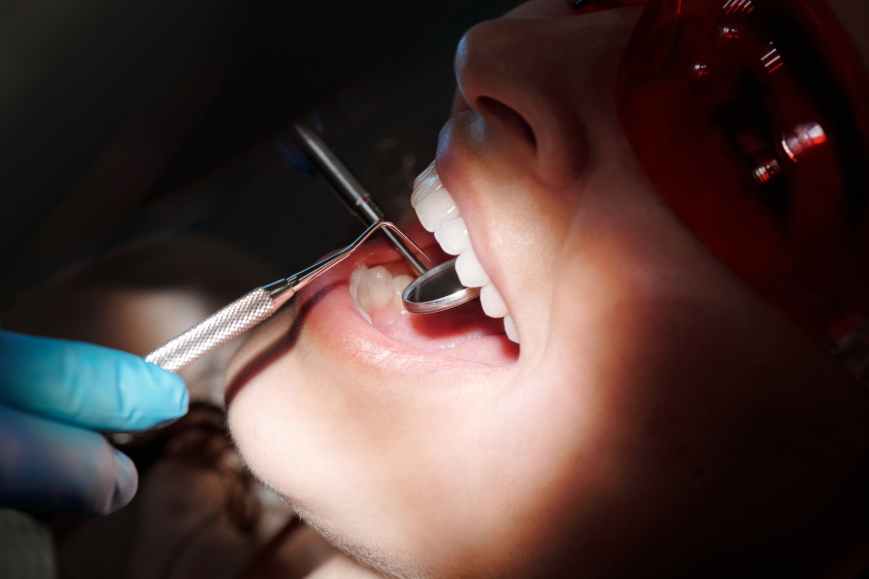
Probably, every person at least once in his life experienced what a toothache is. If, for various reasons – genetic, due to lifestyle and nutrition – it was possible to avoid caries, then a wisdom tooth can get sick, pain can occur after an injury … Let’s see why teeth hurt and what to do about it.
… if the nerve of the tooth hurts …
This happens if the tooth is “alive”, that is, the nerve was not removed. The most common cause of such a toothache is neglected caries, which led to pulpitis (damage to the nerves of the tooth). The process, which begins with damage to the tooth enamel, without dental treatment (or with poor-quality treatment) continues in the deeper tissues of the tooth, gradually “getting” to the nerve. This pain has characteristic features: it is throbbing or aching, very debilitating, seriously reduces the quality of life and ability to work, and deprives sleep. When the nerve of the tooth hurts, you don’t have to think what to do: you need to contact the dentist as soon as possible. Literally a day or two before seeing a doctor, you can endure by taking painkillers for toothache, but this is not a cure! Toothache therapy is carried out only in the dental office, and only it gives the result: getting rid of pain and discomfort, as well as saving the affected tooth. This also applies to situations if the nerve of the tooth under the filling hurts. In many cases, during dental treatment, the nerves are not removed, and the process of tissue destruction continues or resumes, so this is also possible. If you cannot understand which particular tooth hurts (and this often happens), the dentist will find the cause of the torment.
How it is treated:
- carry out anesthesia
- remove the nerve (perform depulpation or depulpation)
- fill channels
- filling a tooth
… if a wisdom tooth hurts …
Often, wisdom teeth bring not so much wisdom as suffering from pain. The tooth itself does not always hurt. Sometimes its growth is associated with trauma to the gums or the inside of the cheek – it all depends on the characteristics of its growth. It happens that the wisdom tooth itself is not visible, but there is pain in the jaw – this may be due to the fact that it grows against neighboring teeth. An x-ray helps to learn about the features of the growth of a wisdom tooth. Thanks to him, the problem can be prevented – if necessary, remove a wisdom tooth that has not yet appeared above the gum. If it has grown without causing discomfort, then over time it can become a “victim” of caries – like any other tooth. In some cases, the wisdom tooth is so destroyed that it makes no sense to save it. If it is completely healthy and does not interfere, then it is not necessary to remove it.
How it is treated:
- carry out the treatment of pulpitis, if the pain in the wisdom tooth is caused by inflammation of the nerves
- removed if the caries lesion is too extensive
- removed if the wisdom tooth rests against other teeth, permanently damages the gums, leads to biting of the cheek or tongue during chewing
… if a tooth hurts without a nerve …
There can be several reasons for such pain: a poorly installed filling, an incompletely removed nerve, poorly filled canals, defects in the crown on the tooth, inflammation of the gums next to the tooth, where pain is felt, changes in the bone tissue, an inflammatory process … It is far from always possible to independently determine the cause such pain. It is better to immediately consult a dentist to avoid serious problems. Some delay the visit to the doctor when they realize that the tooth hurts under the crown – they say that all the same, the nerves are removed in it, nothing bad will happen, and the pain can be tolerated. You need to go to a specialist as soon as possible. The pain may be associated with an inflammatory process that occurs in an isolated environment, under the crown, which can lead to more serious troubles – up to the fact that the tooth on which the crown is located,
How it is treated:
- if the nerve was poorly removed during the previous treatment or the canal was poorly sealed, if possible, the process is repeated; if this is not possible, the tooth may be removed to avoid the development of inflammation
- if the crown is damaged or deformed, it is replaced or repaired
It is important to remember: if after depulpation (removal of the nerve) the tooth continues to ache, hurt when biting or react to temperature, you should contact your dentist as soon as possible and clarify the cause of the complaints.
Toothache therapy is a direct treatment of the tooth. Therapist-stomatologist not only relieves his patient of pain but treats him, as a result of which pain disappears. Unlike pills, which can be taken when your teeth hurt, after visiting the dentist, the pain will not return.
-
What is Double Cleansing?
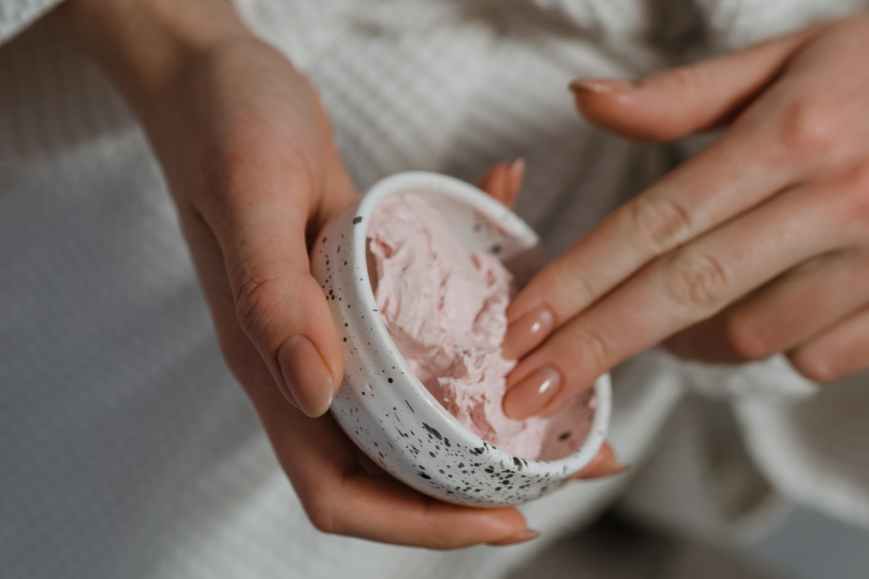
Double cleansing is cleansing in two stages. An oil-based cleanser is used first, followed by a water-based or surfactant-based cleanser. The Dual Cleansing Technique easily removes make-up, product residue, and oil particles, allowing your cleaner to penetrate even deeper for professional-level cleansing.
Why do you need a double cleansing?
You will be amazed at what is left on your skin after the first wash, whether in the morning or in the evening.
Environmental pollution, waterproof makeup, sun filters mix with excess sebum (sebum), forming a thick layer of slippery, sticky coating by the middle of the day.
Most people spend no more than 20 seconds on cleansing using regular cleaners or cleansing wipes. This is not enough to remove accumulated contaminants. Excess sebum, makeup, and other impurities remain on the skin, making your skin dull, congested. The skin ceases to perform its natural functions. Double cleansing with the same cleaner will not solve the problem.
According to the laws of chemistry, “like attracts like” and Dermalogica uses a dual cleansing technique that starts with an oil-based cleaner that can remove layers of oily dirt that a single cleaner can’t handle.
How it works?
Step 1: Use Original PreCleanse Cleansing Oil or PreCleanse Balm to dissolve and remove any stubborn dirt.
Step 2: Use your Dermalogica cleanser to completely remove deep dirt.
-
Teeth Whitening: Cost and Quality
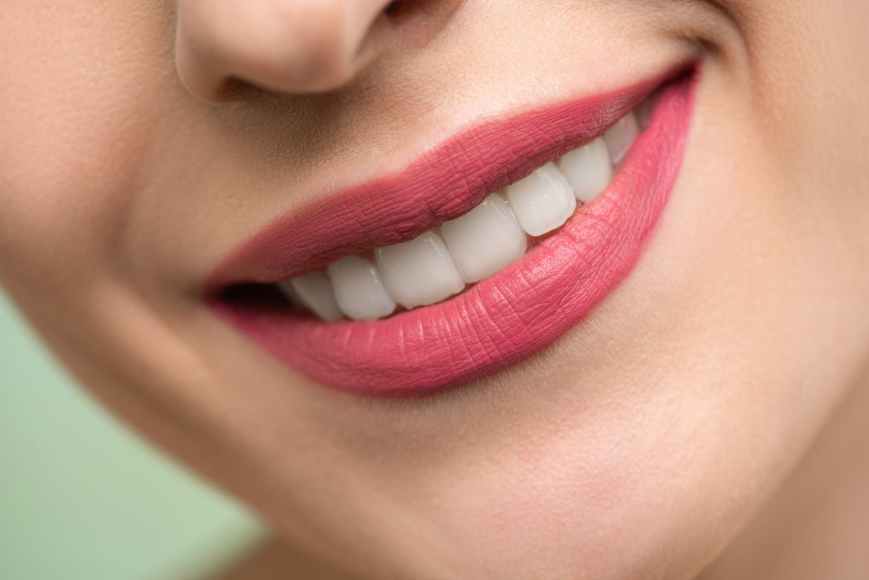
A snow-white smile is a luxurious accessory that is always appropriate and goes with any outfit. From an aesthetic point of view, white teeth give the impression of a well-groomed and attentive attitude to appearance. And this, of course, causes sympathy for others. This is one of the reasons why teeth whitening is one of the hottest trends in modern dentistry, in demand all year round. But the special demand for the whitening procedure falls in the spring and summer, before the holiday season. However, in pursuit of the desired shade, many make mistakes that lead to the destruction of enamel, problems with the gums, and provoke increased sensitivity of the teeth. We will tell you how to whiten your teeth effectively and safely so as not to interrupt your long-awaited vacation with a visit to the dentist.
Why do teeth change color?
The natural color of teeth can have many shades. There are very few people who naturally have completely white tooth enamel. At the same time, teeth of any natural color can darken over time, become more yellow or grayish. The reasons for changing the shade of enamel are external and internal. The external change in the color of the enamel is affected by coloring microparticles embedded in its micropores, which are contained in:
- tea and coffee
- colored sweet drinks and red wine
- highly pigmented fruits and vegetables (e.g. cherries, pomegranates, currants, tomatoes)
- some coloring spices;
- tobacco and many drugs
Internal causes include metabolic failures in the body, structural age-related changes in enamel, as well as hereditary disorders of dentin and enamel formation. Excessive consumption of sweets, as well as poor oral hygiene, also change the color of the teeth and their general condition.
Types and methods of teeth whitening
The whitening procedure is the whitening of teeth by cleaning the enamel from plaque and discoloration of the dentin under the influence of active substances. You can whiten your teeth both at home and by resorting to the services of a dentist. At the same time, despite the wide selection of whitening products (toothpaste, cap gels, special strips, applicator pencils) that can be used at home, it is still better to give preference to professional methods. Firstly, attempts to whiten teeth on their own are fraught with damage to the enamel, and sometimes burns of the oral cavity. This is especially true for aggressive bleaching methods using products based on carbamide peroxide. Secondly, you can see the first results only after a few weeks, or even months. Well, and thirdly, only in-office teeth whitening, the price of which, although higher,
Professional methods of teeth whitening are divided into several types:
- Chemical – a gel with active ingredients is applied to the teeth. For best results, several sessions are required.
- Photobleaching – whitening composition brightens teeth thanks to special translucent lamps. Suitable even for teeth with cracks and chips on the enamel.
Photobleaching guarantees maximum whiteness and long-lasting effect. This method involves applying a gel based on hydrogen peroxide to the tooth enamel, which releases active oxygen under the influence of a hot or cold light beam. Thus, the oxidation of dark pigments occurs and not only the enamel is lightened, but also the tissue under it – the dentin, which makes it possible to make the teeth lighter by at least 7 shades in one procedure. The Beyond photobleaching system is considered the most effective and safest.
Benefits of the Beyond system
Beyond is a teeth whitening system developed in the USA. It is a cold whitening using a special gel and a special lamp that combines LED technology and halogen light, which enhances the brightening effect. The main advantage of Beyond whitening is that the tooth enamel does not heat up during the activation of the gel. This allows you to maintain the health of your teeth and oral cavity, eliminating the risk of discomfort during and after whitening.
Creating a perfectly white smile is one of the most important steps in preparing for the summer. But remember: in order not to put your teeth at risk, carry out whitening under the strict guidance of an experienced dentist. Choose only modern and harmless methods – they will help you achieve the best result and save your time.
-
Subscribe
Subscribed
Have a WordPress.com account? Log in now.

