-
Elevating Smiles: Unveiling the Expertise of Chicago Implant Studio in Dental Implants
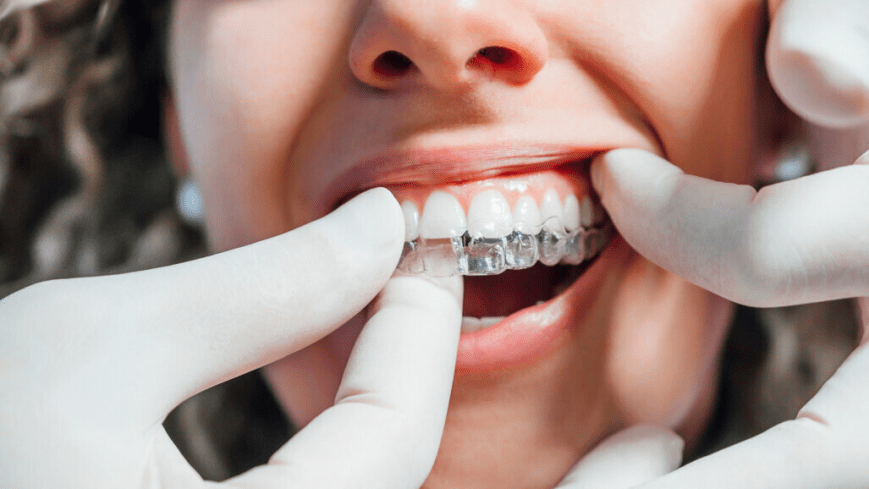
In the dynamic landscape of dental care, Chicago Implant Studio emerges as a beacon of excellence, providing cutting-edge solutions for individuals seeking to restore their smiles through dental implants. This article will explore the unparalleled expertise of Chicago Implant Studio, focusing on the proficiency of its professionals in dental implant procedures and shedding light on the factors influencing the All-On-4 implant cost.
The Pinnacle of Professionalism:
Chicago Implant Studio boasts a team of highly skilled and experienced professionals dedicated to the art and science of dental implants. The studio’s commitment to excellence begins with its practitioners, who bring a wealth of knowledge and expertise to every procedure. These professionals specialize in a range of implant techniques, with a particular emphasis on the transformative All-On-4 implant concept.
Dental Implants: A Gateway to Renewed Confidence:
Dental implants have revolutionized the field of restorative dentistry by providing a permanent and aesthetically pleasing solution for missing teeth. Chicago Implant Studio’s professionals understand the impact of a confident smile on an individual’s overall well-being. With a focus on personalized care and precision, they guide patients through the process of dental implantation, ensuring a seamless experience from consultation to post-operative care.
The All-On-4 Implant Concept: Redefining Possibilities
Chicago Implant Studio has garnered acclaim for its proficiency in the All-On-4 implant concept, a transformative approach that replaces an entire arch of teeth using only four strategically placed implants. This technique not only streamlines the treatment process but also minimizes the All-On-4 implant cost, making it a more accessible option for individuals seeking comprehensive dental restoration.
The Expertise Behind All-On-4 Implants:
Chicago Implant Studio’s professionals are at the forefront of All-On-4 implant procedures, combining skill and innovation to deliver exceptional results. The success of this technique lies in the strategic placement of implants, optimizing support for a full set of teeth. The professionals at Chicago Implant Studio undergo rigorous training and stay abreast of the latest advancements in implantology, ensuring that patients receive the highest standard of care.
Factors Influencing All-On-4 Implant Cost:
While the prospect of a complete set of teeth through the All-On-4 implant concept is enticing, prospective patients often inquire about the associated costs. Chicago Implant Studio understands the importance of transparency in financial matters and provides a breakdown of factors influencing the All-On-4 implant cost:
Which Material and Quality: The choice of implant material significantly affects the overall cost. Chicago Implant Studio prioritizes the use of high-quality materials, such as titanium, known for its durability and biocompatibility.
Pre-Implant methods: Some patients may require additional procedures, such as tooth extractions or bone grafting, before the All-On-4 implant surgery. The complexity of these pre-implant procedures can contribute to the overall cost.
Implant Surgery Complexity: The intricacy of the All-On-4 implant surgery and the expertise of the professionals involved can influence the cost. Chicago Implant Studio’s professionals, with their specialized training, ensure precise and efficient surgical procedures.
Post-Operative Care: Comprehensive post-operative care, including follow-up appointments and maintenance, is integral to the success of All-On-4 implants. Chicago Implant Studio’s commitment to thorough post-operative care is reflected in the overall cost.
Technological Advancements: Chicago Implant Studio incorporates advanced technology into its implant procedures, enhancing precision and efficiency. While this may contribute to a slightly higher cost, the benefits in terms of long-term success and patient satisfaction are invaluable.
Chicago Implant Studio: Where Patient-Centric Care Prevails:
Beyond the technical aspects of dental implant procedures, Chicago Implant Studio places a strong emphasis on providing a positive and patient-centric experience. From the initial consultation to the final stages of post-operative care, patients at the studio receive individualized attention, ensuring their comfort and satisfaction throughout the entire journey.
Conclusion
Chicago Implant Studio stands as a testament to the transformative power of dental implants, particularly through the innovative All-On-4 implant concept. The proficiency of its professionals, coupled with a commitment to quality and patient well-being, distinguishes this studio as a leader in the field of implantology. While the All-On-4 implant cost may vary based on several factors, the investment in a radiant and functional smile is a priceless contribution to one’s overall confidence and quality of life. Chicago Implant Studio’s unwavering dedication to excellence ensures that each patient receives not only a restored smile but also a renewed sense of self-assurance and optimism.
-
Healthier Way To Wind Down After Work With Delta 8 Cartridge

Feeling stressed after a long day? Your Delta 8 cartridge can be your go-to solution for relaxation. Here’s why and how it works:
What is Delta 8?
Delta 8, or Delta-8 tetrahydrocannabinol, is a compound found in hemp, a type of Cannabis sativa. It’s gaining popularity for its potential benefits in promoting relaxation and well-being.
Benefits of Delta 8 Cartridges
Research shows Delta 8 binds with the body’s CB1 receptors, part of the endocannabinoid system, which helps maintain balance in the body. Delta 8 offers several advantages, such as:
- Neuroprotective Properties: Delta 8 may aid in producing Acetylcholine, vital for memory and cognition.
- Appetite Stimulation: It can boost appetite, especially helpful for individuals undergoing chemotherapy.
- Antinausea Effects: Delta 8 has shown promise in reducing nausea, particularly in patients receiving chemotherapy.
- Pain Relief: Researchers have noted its potential in pain reduction.
- Anxiety Reduction: By interacting with CB1 and CB2 receptors, Delta 8 can assist the body in managing pain and anxiety effectively.
What to Expect
Before incorporating Delta 8 into your post-work routine, be mindful of these points:
- Start Small: Begin with a low dose to understand how your body responds.
- Duration: Effects may last between 20-90 minutes, varying from person to person.
Conclusion
Using Delta 8 can provide a gentle, relaxing experience, easing stress and promoting a sense of calm after a hectic day. Remember, always start with a small amount and observe its effects on your body. Enjoy the tranquility your Delta 8 cartridge can bring to your evenings.
This article was written by a CBD Specialist at Uplift CBD. At Uplift CBD, we strive to provide our customers with the highest level of satisfaction by providing the best quality products.
We source our naturally occurring cannabinoids from only premium USA hemp farms. Our THCP Disposable is hand-made and carefully formulated to promote a legal, safe alternative to Delta 9 marijuana. They are grown and extracted in the USA. Because our CBD products are 100% natural and derived from the Non-GMO industrial hemp plant, they are legal for sale across all 50 states of the USA. Independently lab tested for purity and concentration; no other company has the quality and quantity of natural cannabinoids in our products for the same value! Shop our products today!
-
Melanin-Rich Skin care

It’s imperative to shift our perspective and celebrate the allure of melanin-abundant complexions, especially in societies that often favor lighter skin. Skin infused with higher levels of melanin tells a unique story—one that embodies resilience, cultural richness, and individuality. Melanin serves as the color agent for our skin, and in this article, we aim to explore its significance in skincare, its cultural importance, and its inherent beauty. We will discuss the value of proper skin care, its cultural relevance, and its beauty when it comes to Melanin-rich skin.
About Melanin
Melanin is the pigment responsible for the color of your skin, hair, and eyes. It’s produced by specific cells called melanocytes. Essentially, the more melanin your skin holds, the darker your complexion will be. Now, here’s where it gets interesting: skin with higher melanin levels has a natural advantage when it comes to protecting against the harmful effects of UV radiation. This is particularly useful for those who live in regions with strong sunlight. So, in simple terms, the more melanin you have, the better your skin is at resisting some of the negative effects of sun exposure. This does not mean it is 100% protected though.
Melanin and the Beauty Industry
In the beauty industry, the role of melanin has often been underappreciated, if not outright ignored, in favor of a narrow standard of beauty that predominantly celebrates lighter skin tones. However, there’s a growing awareness and demand for diversity, which is catalyzing significant shifts. Some brands are leading the way by creating products specifically formulated for melanin-rich skin, filling a long-standing gap in the market. The unique properties of melanin not only contribute to the rich hues of Black and Brown skin but also present specific skincare needs that mainstream products often fail to address. As more brands recognize the importance and beauty of melanin, a broader and more inclusive range of products is becoming available, finally acknowledging that beauty comes in all shades and skin types.
Obstacles and Achievements
There are still difficulties, even with the increased appreciation for the beauty of darker skin. Lighter skin has long been preferred by mainstream beauty standards, which have promoted a Eurocentric image. Moreover, the underrepresentation of people with darker skin tones in the media and fashion has supported these biases. But things are transforming, and more people are calling for inclusivity.
The Need for Change
The need for change in the beauty industry, particularly in its approach to melanin-rich skin, is both urgent and overdue. For years, mainstream brands have primarily focused on lighter skin tones, leaving those with darker complexions underserved and often resorting to products not specifically designed for their unique skincare needs. This not only perpetuates a narrow standard of beauty but also overlooks a significant market share eager for tailored solutions.
As discussions around diversity and inclusion gain traction, it’s high time that the industry reevaluates its offerings and ethos. Implementing change means more than just expanding shade ranges; it requires a holistic approach that considers the biochemical differences melanin brings, as well as the cultural and social aspects attached to it. Brands that rise to this challenge will not only enrich their own diversity but also contribute to a broader, more inclusive understanding of beauty.
Frequently Asked Questions (FAQs)
- Is skin cancer less prevalent among individuals with darker skin tones?
While it’s true that higher levels of melanin can provide some natural protection against UV radiation, individuals with dark skin are not completely immune to the risk of skin cancer. Therefore, precautions are still necessary.
- Is sunscreen necessary for people with dark skin?
Absolutely, sunscreen is essential for everyone, including those with darker skin tones. It helps maintain healthy skin and offers added defense against harmful UV rays.
- What are common skincare routines recommended for individuals with dark skin?
A typical skincare routine for those with darker complexions involves cleansing, moisturizing, and regular use of sunscreen. However, the specific products may differ based on individual skin requirements.
In summary
Human diversity is remarkable, as seen by the wide range of skin tones and types. These differences represent identities, civilizations, and histories worthy of respect and adoration. With each challenge overcome, we get closer to a society where all skin tones are cherished and appreciated for the distinctive tales they each tell as we continue to embrace and celebrate the beauty of melanin-rich skin.
-
Unlocking the Hormone Puzzle: The Power of Diagnostic Testing
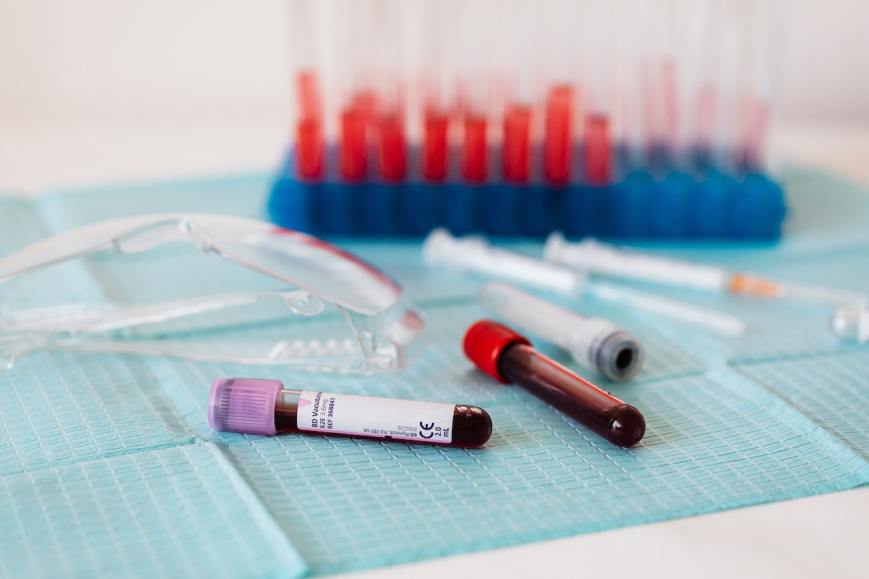
Diagnostic testing is a critical component of holistic and natural management of hormonal imbalances. It enables personalised and targeted care, supports the identification of root causes, ensures treatment efficacy and safety, and empowers patients to actively participate in their health journey. This approach fosters a more comprehensive and sustainable way to manage hormonal imbalances and promote overall well-being.
The Hormone Naturopath – A Holistic Approach to Hormonal Balance
Naturopathy is an alternative approach to healthcare that emphasises natural and holistic methods for promoting overall wellness and treating various health conditions, including hormonal imbalances. Hormone Naturopaths are individuals who follow naturopathic principles in addressing hormonal issues. Their approach involves:
- Natural Remedies: Hormone Naturopaths often rely on natural remedies such as dietary changes, herbal supplements, lifestyle modifications, and stress management techniques to support hormonal balance. For example, they may suggest dietary changes to improve insulin sensitivity or recommend herbs like chasteberry for menstrual irregularities.
- Holistic Assessment: These practitioners view the body as a whole, recognising that hormonal imbalances can be influenced by various factors like diet, stress, sleep, and environmental toxins. They perform comprehensive assessments to identify the root causes of hormonal issues.
- Individualised Care: Hormone Naturopaths typically provide personalised treatment plans tailored to the individual’s specific needs. They consider a patient’s unique hormonal profile, health history, and lifestyle to create a customised approach to hormone management.
- Lifestyle Modifications: Lifestyle factors play a significant role in hormonal health. Hormone Naturopaths may emphasise the importance of exercise, stress reduction, and adequate sleep as essential components of treatment.
- Patient Education: They often prioritise patient education, empowering individuals to take an active role in managing their hormonal health. They may educate patients about the potential risks of hormone-disrupting chemicals in everyday products and suggest ways to reduce exposure.
- Collaboration: While Hormone Naturopaths focus on natural approaches, they may collaborate with other healthcare professionals when necessary, especially in cases where conventional medical interventions are required.
The importance of considering the body as a whole in hormone management is a central tenet of naturopathic medicine. Hormones are interconnected, and imbalances in one area can affect the entire endocrine system. By addressing the root causes of hormonal issues and considering how different aspects of health influence each other, Hormone Naturopaths aim to provide a more comprehensive and sustainable approach to hormone management.
Women’s Health and Naturopathic Care
Naturopathic care plays a significant role in women’s health by providing a holistic and natural approach to addressing a wide range of health issues specific to women. A Women’s Naturopath specialises in addressing the unique health needs of women, including menstrual health, menopause, fertility, and more.
Naturopaths often use a combination of diagnostic testing to assess a patient’s holistic well-being. These tests are aimed at evaluating various aspects of a person’s health, including physical, emotional, and environmental factors. Some diagnostic tests that Women’s Naturopath or Hormone Naturopath may use to check holistic well-being include:
- DUTCH Hormone Testing: DUTCH diagnostic testing assesses hormonal balance and function through dried urine samples. It offers a detailed analysis of cortisol, sex hormones, and their metabolites, helping to pinpoint hormone imbalances, adrenal health issues, and the underlying causes of endocrine system-related symptoms.
- Stool Testing (Complete Digestive Stool Analysis – CDSA): CDSA evaluates digestive system health by analysing stool composition. It detects inflammation, infections, malabsorption, and gut flora imbalances, aiding in the diagnosis of gastrointestinal problems such as IBS and IBD.
- Essential Nutrients – Iron, Vitamin D, B12, Magnesium, and Zinc: This diagnostic testing assesses levels of vital nutrients, including iron, vitamin D, B12, magnesium, and zinc. It helps identify deficiencies that can lead to various health issues, such as anemia, fatigue, and bone health problems.
- Full Thyroid Panel: A comprehensive thyroid panel measures thyroid-stimulating hormone (TSH), free T3, free T4, and thyroid antibodies. It is used to diagnose thyroid disorders like hypothyroidism and hyperthyroidism, allowing for accurate treatment.
- Hair Mineral & Toxic Element Analysis: This diagnostic testing examines mineral and toxic element levels in hair samples, revealing nutrient imbalances and exposure to toxic substances like lead or mercury. It can inform dietary and detoxification plans.
- Lactulose & Glucose Breath Test | SIBO Test: This test diagnoses small intestinal bacterial overgrowth (SIBO) by measuring gases produced by excess bacteria in the small intestine. It helps identify SIBO-related digestive symptoms and malabsorption issues.
The science behind a Naturopaths treatment plan
The scientific basis behind a Naturopath’s treatment plan for hormonal imbalances typically involves addressing factors that can influence hormones, such as diet, lifestyle, and stress management. While individual naturopathic approaches may vary, here are some key principles and interventions that may have a scientific basis:
- Dietary Modifications: Dietary choices can significantly impact hormone balance. For instance, a diet rich in whole foods, fiber, and healthy fats can support hormonal health. Scientifically, there is evidence linking specific nutrients like omega-3 fatty acids, vitamin D, and magnesium to hormone regulation.
- Stress Management: Chronic stress can disrupt hormonal balance. Stress reduction techniques such as mindfulness, meditation, and relaxation exercises are supported by scientific research in reducing stress-related hormone fluctuations, particularly cortisol.
- Herbal Remedies: Some herbal supplements, like black cohosh for menopausal symptoms or chasteberry for menstrual irregularities, have shown promise in clinical studies for hormone-related concerns.
- Lifestyle Adjustments: Encouraging regular exercise, adequate sleep, and maintaining a healthy body weight are supported by scientific research for their positive impact on hormones like insulin and leptin.
Key tests that a Hormone Naturopath may ask you to complete to help address hormone concerns can include hormone tests through blood, urine, or saliva tests. These tests can measure levels of specific hormones like thyroid hormones, sex hormones (e.g., estrogen, progesterone, testosterone), and stress-related hormones (e.g., cortisol). Additionally, Naturopaths may recommend comprehensive tests to assess overall health, such as complete blood counts, thyroid panels, or assessments of nutrient levels. The choice of tests may vary depending on your specific symptoms and concerns.
It’s important to work with a qualified Hormone Naturopath who can customise a treatment plan based on your individual health needs and consider evidence-based approaches. Additionally, collaborating with conventional healthcare providers may be necessary in some cases to ensure a comprehensive and safe approach to addressing hormonal imbalances.
-
Natural Ways to Enhance Fertility

Infertility is a medical condition characterised by the inability of an individual or a couple to conceive a child after a year or more of regular, unprotected sexual intercourse. It is often diagnosed when pregnancy does not occur despite active attempts to conceive. Infertility can affect both men and women and may result from various factors, including issues with reproductive organs, hormonal imbalances, age-related declines in fertility, underlying health conditions, or lifestyle factors. There are several approaches that can potentially improve fertility naturally, namely:
Maintain a Healthy Lifestyle
Eat a balanced diet rich in fruits, vegetables, whole grains, and lean proteins. Avoid excessive consumption of processed foods, sugary beverages, and unhealthy fats. Engage in regular, moderate exercise to maintain a healthy body weight and reduce stress.
Manage Stress
High stress levels can affect hormonal balance and reproductive health. Consider relaxation techniques like yoga, meditation, or deep breathing exercises.
Quit Smoking, Limit Alcohol and Caffeine
Smoking and excessive alcohol consumption can negatively impact fertility. Excessive caffeine intake may disrupt hormonal balance. Quitting smoking and reducing alcohol and caffeine consumption can be helpful.
Maintain a Healthy Weight
Both underweight and overweight conditions can affect fertility. Achieving and maintaining a healthy weight can improve fertility naturally for both men and women.
Avoid Overheating
Prolonged exposure to high temperatures, such as hot baths, saunas, or tight underwear, can negatively impact sperm production. Avoid these factors.
Track Ovulation
Understand your menstrual cycle and track ovulation to identify your most fertile days for timed intercourse.
Regular Sexual Activity
For couples trying to conceive, regular sexual activity, especially around the time of ovulation, can increase the chances of pregnancy.
Preconception Health Check
Visit your healthcare provider or a fertility clinic for a preconception checkup to address any underlying health issues or concerns that may affect fertility.
Manage Chronic Health Conditions
If you have chronic health conditions like diabetes or hypertension, managing them effectively can improve fertility.
Supplements
Taking folic acid or prenatal supplements can be beneficial for women planning to conceive. Foods rich in antioxidants, like fruits and vegetables, may support sperm health. Consider supplements like zinc and selenium.
Remember that individual results can vary, and it’s essential to be patient, as changes may take time. If you’re experiencing fertility issues and these natural methods do not yield results, visit a fertility clinic for a comprehensive evaluation and guidance on medical interventions or assisted reproductive technologies.
-
What is the Difference Between Entropion and Normal Eye?
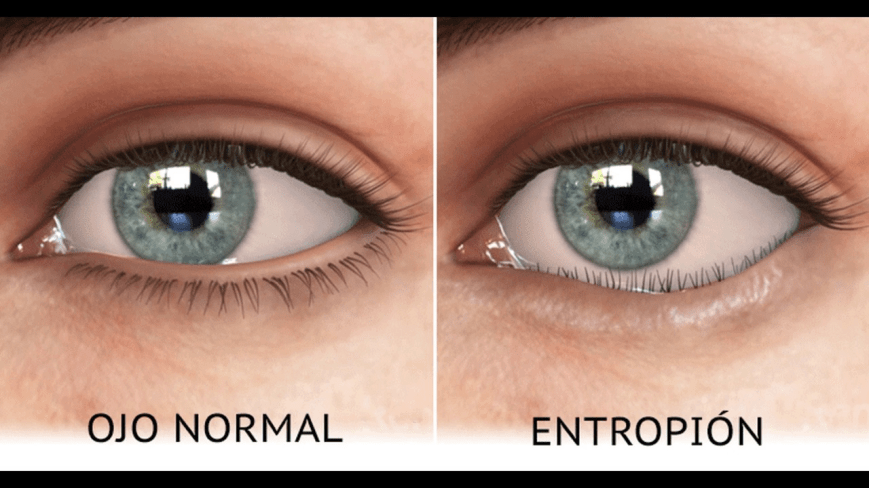
Humans are blessed to have eyes that enable them to see the beauty of the world. While most often the one aspect humans always take care of is the eye vision, other parts of the eye such as the eyelids often are missed. Not everyone has a normal eye which includes normal eyelids. If you ask a doctor, you will be surprised to know that some people have abnormal eyelids that may actually cause disturbance to the normal eye vision. Thus, what is the difference between entropion and normal eye?
To know the differences, we have to know what is considered a normal eye first. Normal eye is often referred to as the eyeball and its supporting part such as auxiliary structures. The eyeball itself consists of lens, pupil, iris, cornea and retina. Each of these plays an important role in enabling humans to see. Eyeballs are symmetrical in size and position. The upper lids cover the upper portion of the cornea when people are looking in a straight direction and eyelashes span outwards.
Entropion occurs where the eyelid turns inwards or inverted and causes the eyelashes to rub against the cornea. Cornea is the clear part of the eye located at the front of the eye. This will irritate the eye and cause pain. Entropion is more common in older people and generally affects the lower eyelid. It is worth noting that entropion may affect the upper eyelid but is considered rare. Entropion should not be confused with ectropion. Ectropion is the opposite of entropion which means the lower eyelids droop away from the eye and turn outwards. There are different types of entropion:
- Involutional or senile- Most frequent types and is associated with the degenerative alterations of muscles that stabilise the eyelid (refractor muscles). This produces an inversion of the lower eyelid.
- Congenital- A rare disorder that commonly leads to secondary glaucoma (disease that damages the eye’s optic nerve) in mid-teenage years.
- Cicatricial- Typically originates from a conjunctival scar in the inner eyelid.
- Spastic- Often caused by blepharospasm (uncontrolled eyelid movements).
Entropion is most cases are associated with tissue ageing. However, some cases are caused by different conditions such as formation scar from a trauma such as burn or inflammation. Entropion in young age can be caused by genetic or birth problems. It is best for patient suspected with entropion to get checked by doctor. This will help patient to get the right treatment.
Symptoms often be presented as eye redness and pain, sensitivity to light and wind and watery eyes (epiphora). Patients often describe a foreign body sensation as if there are other objects in the eyes. Since most cases of entropion are in the elderly, sagging around the eye can be seen. Patients might complain of vision problems if the entropion starts to damage the cornea. Dry eye syndrome is present in more than half of patients with entropion. Dry eye syndrome often is presented as irritated, scratchy, gritty and burning eyes. It is important to treat entropion as entropion that persists can cause eye infections such as ulcers and even corneal scarring that is difficult to treat.
Treatment often revolves around surgery. Surgery is done to stabilise the eyelids and to ensure it does not turn inwards. Even though surgery is said to be the best way to fix entropion, some patients might be wondering if there are alternatives. This includes using tape to prevent eyelashes from rubbing against the eyes, carbon dioxide laser skin resurfacing and Botox injection to the muscles affecting entropion. It is worth noting that alternatives are often offered as temporary measures until patients can have surgery or when patients are too sick to undergo surgery. Artificial tears and ointments are used to protect the surface of the eye and improve symptoms.
In essence, the difference between the normal eye and ectropion is the eyelids that turn inward in entropion. Entropion is more than just the symptoms that cause discomfort and eye vision problems. When left untreated, it can cause serious eye issues that may cause permanent blindness due to the serious corneal damage. Surgery is the mainstay for treating entropion. Alternative or conservative treatment may help patients to alleviate symptoms but it can never cure entropion as much as surgery does. While in most cases surgery will solve the entropion, in rare cases, entropion may not fully go away.
It is important for patients that constantly rub their eyes or notice the eyelashes turning inwards to the eyes, to get examined by doctors. Those already diagnosed with entropion should see their doctor if their symptoms such as pain, decreased vision or redness become increased or more severe. Entropion is diagnosed by routine eye examination. Specific tests known as snapback tests and distraction tests are often used by doctors to check for entropion. Slit lamp may be used for assessing the eyelid.
-
Can You Inherit the Risk for COPD?

Chronic obstructive pulmonary disease (COPD) affects 12.5 million Americans, according to the American Lung Association. It is a progressive lung condition that occurs mainly in people who have had long exposure to pollutants, cigarette smoke, and certain chemicals.
However, a genetic condition called alpha-1 antitrypsin (AAT) deficiency can be at fault in some instances.
What Is AAT Deficiency?
AAT is a protein your liver makes that helps protect your body from tissue damage caused by an enzyme in your immune system. This enzyme is very good at fighting infections, but it’s the AAT protein that keeps it from attacking healthy tissue.
If your liver doesn’t produce enough AAT proteins, it can’t keep that enzyme in check, which leads to tissue damage throughout various organs, including the lungs. This, in turn, leads to the potential development of COPD.
Who Is at Risk of Developing AAT Deficiency?
Although it’s a rare issue, AAT deficiency runs in families. Anyone who has this condition inherits two changed or mutated AAT genes, one from each parent.
If you inherit only one mutated gene, you may be a carrier of the condition. You won’t have it yourself, but you can pass it down to your children.
There aren’t symptoms of AAT deficiency until you develop COPD, and then, the symptoms can be mild and include wheezing and a chronic cough. As the disease progresses, the symptoms get more severe.
Treating COPD
COPD is a complex condition, but there are treatment options that are making strides in how you can manage it. Some of these treatments include regenerative medicine, which involves the use of stem cells to harness your body’s natural healing powers.
These treatment options hold promise in helping rebuild damaged tissue while reducing inflammation. With regenerative medicine, also known as stem cell therapy, getting relief from COPD symptoms is possible.
This post was written by a medical professional at Stemedix Inc. At Stemedix we provide acces/autois to Regenerative Medicine for hair, also Stem cell therapy for COPD. Regenerative medicine has the natural potential to help improve symptoms sometimes lost from the progression of many conditions.
-
5mg Delta-9 Gummies Effects

Delta-9 THC, one of the most common cannabinoids found in cannabis plants, is increasingly popular in edibles. Due to legal concerns in the USA, edibles, and other products of this nature, are only allowed to have a small amount, 0.3%, according to the 2018 Farm Bill.
These low-dose edibles are also known as microdose edibles, AKA Delta-9 microdose gummies. These edibles with low dosages are also called microdose edibles or Delta-9 microdose gums.
Even though 5mg of Delta-9-THC may not seem like much, 5mg Delta-9-THC gummies can still have a psychoactive effect. These 5mg Delta-9 gummies can get you high but also offer potential health benefits for your mind and body. We want to review in detail what you can expect from 5mg Delta-9 gummies.
What are 5mg Delta-9 Microdose Gums?
Delta-9 5 mg Gummies are simply edibles, gummy candies, or candies that contain Delta-9 THC. Delta-9 THC can be extracted from cannabis plant matter, infused into an oil or tincture, or even a powder isolate, and then added to the other ingredients in edible gummy treats.
Microdose simply means “small,” and these Delta-9 THC edibles have less than 0.3% THC (based on their total weight).
The federal government has set legal restrictions that limit the amount of THC allowed in edibles. These gummies will be perfect for beginners, those with a low tolerance to THC, and anyone who wants to feel a bit of a buzz without getting too high.
Do Delta-9 5mg Gummies Get You High?
Delta-9 THC Gummies are able to get you high. This is true even if the gummies only contain microdoses of THC. For most people, THC is not enough to get them high.
To put it in perspective, a joint that weighs between 0.4 and 0.8 grams contains anywhere from 25mg to 90mg of THC. If you smoke a small joint, the THC content may only be 20-30 milligrams. Try to imagine how you would feel after smoking a small amount of marijuana.
Keep in mind there is a big difference between ingesting and smoking cannabis. When you consume cannabis orally, your liver is the one that processes the THC. Your liver then turns the THC into a more potent form.
This is because the THC content of edibles is higher than that found in smoking. It may only take half or a third as much THC to get the same high when taking edibles. A 10mg edible can feel as potent, if not more, than a joint with 30mg.
If a joint with 30 milligrams of THC can get you high, you can expect edibles with 10 or 5 milligrams of THC to also give you a noticeable high. One 5mg Delta-9 gummy will produce a noticeable high. If you consume more than one, then you’ll be very high.
5mg Delta-9 Gummies Effects
The strain from which the THC was extracted will determine how you feel. Indica cannabis strains tend to produce a more body-oriented high. You may feel a little heavy, your limbs might tingle, and you will probably be tired and hungry.
This article was written by a cannabinoid specialist at DRIP Cannabinoids. DRIP Cannabinoids joined the market in June 2020. We quickly established our mission: providing customers with the purest oil on the market, and in tandem providing a premium final product. Through each and every one of our products, DRIP strives to relieve people from the discomfort, stress, and anxiety of daily life by giving them access to cutting-edge cannabinoids such as Delta-10 and Delta-8 THC. DRIP’s formulas and procedures are all designed with the purity and safety of the customer in mind.
-
Arthritis Symptoms That Affect Your Sleep

A doctor has diagnosed arthritis in nearly a quarter (25%) of American adults. Joint pain, swelling, and a reduced range of movement are common symptoms. It’s not surprising that arthritis can affect movement. Many people are unaware that arthritis can also affect sleep.
Sleep and Arthritis
Although you may not move as much as you do when you’re awake, arthritis can make it hard to sleep deeply and rejuvenatingly. According to the Arthritis Foundation, up to 80% of people who have arthritis experience sleep disturbances.
In addition, a lack of sleep can worsen arthritis symptoms and make it more difficult to manage pain. This can increase the risk of depression, anxiety, and pain over time.
Researchers are still exploring the relationship between sleep and symptoms of arthritis, but they believe that several factors may be at play. Sleeping with your body rigid can cause muscle stiffness and strain. Certain sleep positions put pressure on joints, which are not subjected to the same strain when you’re awake.
During sleep, your body releases fewer anti-inflammatory chemicals, whereas other chemicals can cause inflammation. Sleep is also the time we spend mulling over the stress of the day. This can cause pain.
Catch Those Zzzs:
– Sleep Better: Improve your sleeping habits. Your room should be designed to promote relaxation and rest. Turn off electronics and keep the room cool. Stick to a regular sleep schedule. Invest in a comfortable bed and a quality mattress.
– Warm Bath: Warm baths can relax muscles that may be causing your symptoms to worsen. It may also help you relax your mind.
– Rethink Your Pillows: Try a flat pillow, or swap your pillow with a neckroll or rolled towel if your neck is sore. Use extra pillows for sore arms, legs, or backs. This will help relieve the pain.
– Exercise Regularly: As long as you do not overdo the exercise, it is good for arthritis. It can also help you sleep at night. Bonus: Regular exercise will help you lose extra weight that can put strain on your knees and hips. It could also cause back pain or even foot pain. Choose low-impact exercises such as swimming or walking.
– Avoid Caffeine and Alcohol: Caffeine and alcohol can make falling asleep and staying asleep more difficult. This can also reduce the quality of sleep. Avoid drinking both at night.
– Wear Loose Pajamas: When it comes to pajamas, forget about style. Opt for something comfortable, loose, and cozy. The pajamas should not bind, as this will limit your movement at night. This can reduce the discomfort in joints that are arthritic or sore.
Arthritis Treatments That Work
It is important to have a customized treatment plan for arthritis. Arthritis can affect people differently, so it’s essential to find relief. Call Florida Medical Pain Management to schedule an appointment today.
This article was written by a medical professional at Florida Medical Pain Management. https://www.fmpm.com/ is proud to offer comprehensive pain management services to a diverse group of patients. Patients at Florida Medical Pain Management can get help managing hip, knee, leg, and neck pain. The practice also offers comprehensive arthritis management, along with treatments for auto accidents, sports, and work injuries.
-
Chiropractic Care Tips to Help You Sleep Better

Sleeping poorly can make you feel tired, irritable, and grouchy. Sleep is also essential to your health. Have you had trouble falling asleep or staying asleep? If you struggle with sleep at night, try these simple tips to help you sleep better.
Sleep Tips for a Restful Night
1. Stick to a Sleep Schedule: Even on weekends, try to go to sleep at the same time each night. This habit trains your brain when to go to bed by establishing a consistent sleep and wakefulness cycle. Also, aim to wake up at the same time daily, allowing for some flexibility but avoiding oversleeping.
2. Establish a Bedtime Routine: Bedtime routines aren’t just for children; they work for adults too. A calming bedtime ritual can relax your mind and body, helping you fall asleep faster. Consider activities such as taking a warm shower, reading a book, or listening to relaxing music. Ensure your bedroom is conducive to sleep by keeping it dark and having a comfortable mattress.
3. Limit Electronic Usage: Create a bedtime ritual that doesn’t involve excessive screen time. Electronic devices emitting blue light can disrupt melatonin production, making it harder to fall asleep. Avoid screens at least an hour before bedtime.
4. Visit a Chiropractor: Chiropractic care focuses on spinal health and the nervous system. Correcting spinal misalignments can improve communication between the brain and the body’s sleep receptors. It can also address conditions like sleep apnea and back pain that contribute to poor sleep. Consider starting with upper cervical spine adjustments, which can improve airflow, reduce apnea, and alleviate pain that may wake you up at night.
5. Beware of Caffeine: Caffeine can raise blood pressure and trigger stress hormones, making it difficult to fall asleep. Enjoy your morning coffee but limit caffeine intake and avoid it after 3 or 4 pm.
6. Consider Melatonin: Melatonin, a hormone naturally produced by the body, regulates sleep-wake cycles. It’s often referred to as “the sleep hormone” because it influences circadian rhythms and promotes sleep. Light exposure affects melatonin production, so consider taking a supplement if needed before bedtime. Other natural sleep aids include chamomile, valerian, and magnesium.
7. Exercise: Regular exercise can significantly improve your sleep by reducing stress and anxiety while promoting relaxation. It also enhances the time spent in deep sleep and helps regulate circadian rhythms. Aim for moderate or light physical activity every day. To avoid sleep disruption, finish your workout a few hours before bedtime to allow your body time to wind down.
Stay Healthy by Getting Better Sleep
Sleep is crucial for mental and physical health, hormone regulation, and body rejuvenation. Your body heals during sleep, and studies suggest that adequate, consistent sleep can increase your lifespan. These are all compelling reasons to prioritize better sleep. Which of these simple tips will you try first if you’re having trouble sleeping at night?
Chiropractors near Lake Mary, Florida
At The Wellness Way, our chiropractors are dedicated to providing exceptional care that exceeds your expectations. Our services promote healthy sleep without the need for drugs or surgery. Our doctors are always available to address your questions and concerns. Rest assured, you won’t ever feel like just a “number” at our office.
The Wellness Way is one team with one vision. Championing the importance of health to the world while inspiring hope through health restoration. The Wellness Way is passionate about health freedom because no one but you should be making health care decisions for your family. It’s time to join the health revolution and take an unapologetic approach to health, health restoration, and health freedom. Click here to learn more
-
Subscribe
Subscribed
Have a WordPress.com account? Log in now.

