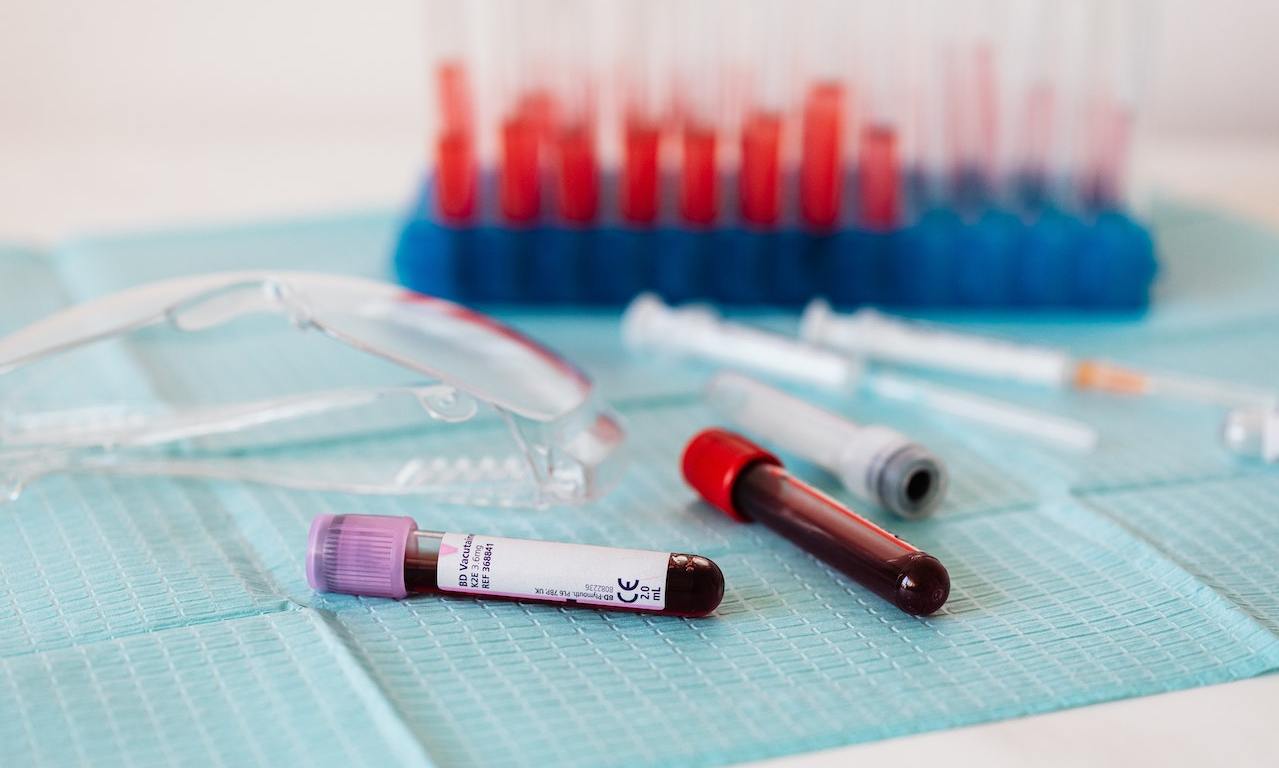
Diagnostic testing is a critical component of holistic and natural management of hormonal imbalances. It enables personalised and targeted care, supports the identification of root causes, ensures treatment efficacy and safety, and empowers patients to actively participate in their health journey. This approach fosters a more comprehensive and sustainable way to manage hormonal imbalances and promote overall well-being.
The Hormone Naturopath – A Holistic Approach to Hormonal Balance
Naturopathy is an alternative approach to healthcare that emphasises natural and holistic methods for promoting overall wellness and treating various health conditions, including hormonal imbalances. Hormone Naturopaths are individuals who follow naturopathic principles in addressing hormonal issues. Their approach involves:
- Natural Remedies: Hormone Naturopaths often rely on natural remedies such as dietary changes, herbal supplements, lifestyle modifications, and stress management techniques to support hormonal balance. For example, they may suggest dietary changes to improve insulin sensitivity or recommend herbs like chasteberry for menstrual irregularities.
- Holistic Assessment: These practitioners view the body as a whole, recognising that hormonal imbalances can be influenced by various factors like diet, stress, sleep, and environmental toxins. They perform comprehensive assessments to identify the root causes of hormonal issues.
- Individualised Care: Hormone Naturopaths typically provide personalised treatment plans tailored to the individual’s specific needs. They consider a patient’s unique hormonal profile, health history, and lifestyle to create a customised approach to hormone management.
- Lifestyle Modifications: Lifestyle factors play a significant role in hormonal health. Hormone Naturopaths may emphasise the importance of exercise, stress reduction, and adequate sleep as essential components of treatment.
- Patient Education: They often prioritise patient education, empowering individuals to take an active role in managing their hormonal health. They may educate patients about the potential risks of hormone-disrupting chemicals in everyday products and suggest ways to reduce exposure.
- Collaboration: While Hormone Naturopaths focus on natural approaches, they may collaborate with other healthcare professionals when necessary, especially in cases where conventional medical interventions are required.
The importance of considering the body as a whole in hormone management is a central tenet of naturopathic medicine. Hormones are interconnected, and imbalances in one area can affect the entire endocrine system. By addressing the root causes of hormonal issues and considering how different aspects of health influence each other, Hormone Naturopaths aim to provide a more comprehensive and sustainable approach to hormone management.
Women’s Health and Naturopathic Care
Naturopathic care plays a significant role in women’s health by providing a holistic and natural approach to addressing a wide range of health issues specific to women. A Women’s Naturopath specialises in addressing the unique health needs of women, including menstrual health, menopause, fertility, and more.
Naturopaths often use a combination of diagnostic testing to assess a patient’s holistic well-being. These tests are aimed at evaluating various aspects of a person’s health, including physical, emotional, and environmental factors. Some diagnostic tests that Women’s Naturopath or Hormone Naturopath may use to check holistic well-being include:
- DUTCH Hormone Testing: DUTCH diagnostic testing assesses hormonal balance and function through dried urine samples. It offers a detailed analysis of cortisol, sex hormones, and their metabolites, helping to pinpoint hormone imbalances, adrenal health issues, and the underlying causes of endocrine system-related symptoms.
- Stool Testing (Complete Digestive Stool Analysis – CDSA): CDSA evaluates digestive system health by analysing stool composition. It detects inflammation, infections, malabsorption, and gut flora imbalances, aiding in the diagnosis of gastrointestinal problems such as IBS and IBD.
- Essential Nutrients – Iron, Vitamin D, B12, Magnesium, and Zinc: This diagnostic testing assesses levels of vital nutrients, including iron, vitamin D, B12, magnesium, and zinc. It helps identify deficiencies that can lead to various health issues, such as anemia, fatigue, and bone health problems.
- Full Thyroid Panel: A comprehensive thyroid panel measures thyroid-stimulating hormone (TSH), free T3, free T4, and thyroid antibodies. It is used to diagnose thyroid disorders like hypothyroidism and hyperthyroidism, allowing for accurate treatment.
- Hair Mineral & Toxic Element Analysis: This diagnostic testing examines mineral and toxic element levels in hair samples, revealing nutrient imbalances and exposure to toxic substances like lead or mercury. It can inform dietary and detoxification plans.
- Lactulose & Glucose Breath Test | SIBO Test: This test diagnoses small intestinal bacterial overgrowth (SIBO) by measuring gases produced by excess bacteria in the small intestine. It helps identify SIBO-related digestive symptoms and malabsorption issues.
The science behind a Naturopaths treatment plan
The scientific basis behind a Naturopath’s treatment plan for hormonal imbalances typically involves addressing factors that can influence hormones, such as diet, lifestyle, and stress management. While individual naturopathic approaches may vary, here are some key principles and interventions that may have a scientific basis:
- Dietary Modifications: Dietary choices can significantly impact hormone balance. For instance, a diet rich in whole foods, fiber, and healthy fats can support hormonal health. Scientifically, there is evidence linking specific nutrients like omega-3 fatty acids, vitamin D, and magnesium to hormone regulation.
- Stress Management: Chronic stress can disrupt hormonal balance. Stress reduction techniques such as mindfulness, meditation, and relaxation exercises are supported by scientific research in reducing stress-related hormone fluctuations, particularly cortisol.
- Herbal Remedies: Some herbal supplements, like black cohosh for menopausal symptoms or chasteberry for menstrual irregularities, have shown promise in clinical studies for hormone-related concerns.
- Lifestyle Adjustments: Encouraging regular exercise, adequate sleep, and maintaining a healthy body weight are supported by scientific research for their positive impact on hormones like insulin and leptin.
Key tests that a Hormone Naturopath may ask you to complete to help address hormone concerns can include hormone tests through blood, urine, or saliva tests. These tests can measure levels of specific hormones like thyroid hormones, sex hormones (e.g., estrogen, progesterone, testosterone), and stress-related hormones (e.g., cortisol). Additionally, Naturopaths may recommend comprehensive tests to assess overall health, such as complete blood counts, thyroid panels, or assessments of nutrient levels. The choice of tests may vary depending on your specific symptoms and concerns.
It’s important to work with a qualified Hormone Naturopath who can customise a treatment plan based on your individual health needs and consider evidence-based approaches. Additionally, collaborating with conventional healthcare providers may be necessary in some cases to ensure a comprehensive and safe approach to addressing hormonal imbalances.
 Women 4 Health