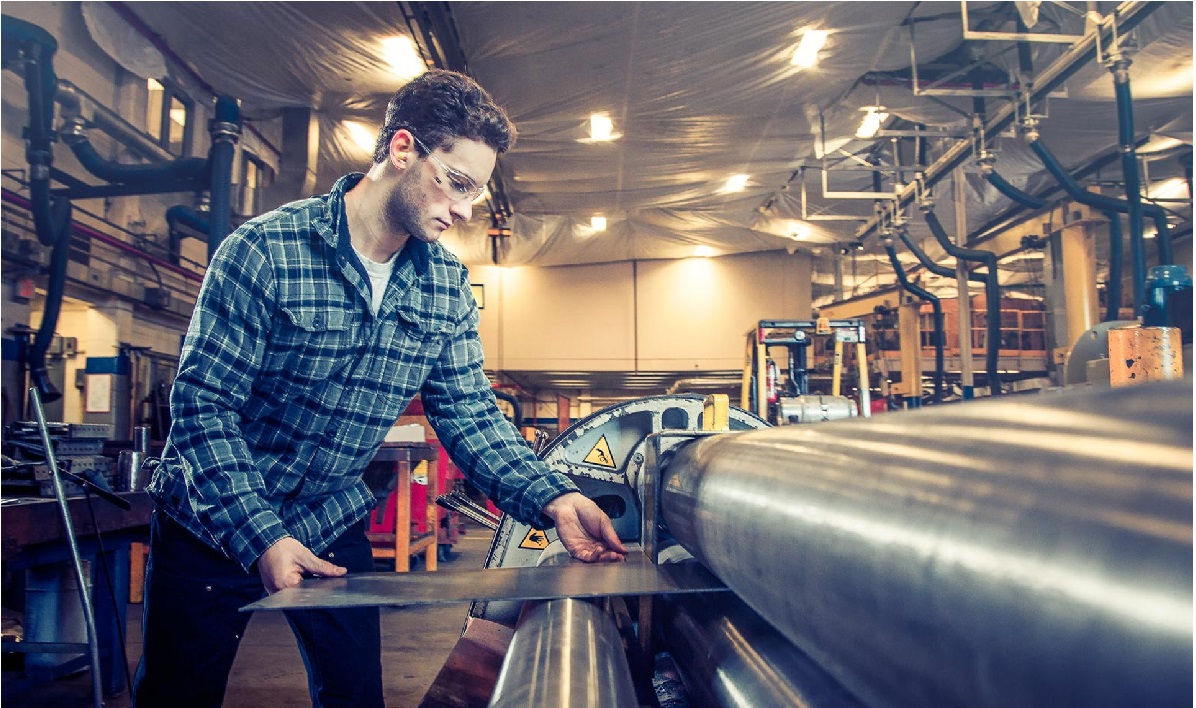
Metal fabrication is the process of constructing metal structures, machines, and components by cutting, bending, and assembling processes. It involves a variety of techniques such as welding, machining, stamping, and bending to transform raw metal materials into finished products. The end result of metal fabrication can range from small parts and components to large-scale structures and industrial equipment.
What are the different jobs in Metal Fabrication?
How Many Jobs Are Available In Metal Fabrications including:
Welders:
Welders are responsible for a variety of tasks in metal fabrication, including:
- Interpreting blueprints and technical drawings to determine the correct welding procedures and techniques to use.
- Cleaning and preparing metal surfaces to be welded, removing any rust, paint, or other contaminants.
- Selecting and setting up the appropriate welding equipment, such as MIG, TIG, or stick welding machines.
- Fusing metal pieces together using welding techniques such as MIG, TIG, or stick welding, ensuring that the joint is strong and free of any defects.
- Inspecting the finished weld for defects, such as cracks, porosity, or warping, and making any necessary repairs.
- Performing routine maintenance on welding equipment to ensure that it is in good working condition.
- Following all safety protocols, such as wearing personal protective equipment, to prevent accidents and injuries while welding.
The specific responsibilities of a welder may vary depending on the type of metal fabrication facility and the type of welding being performed.
Machinists:
Machinists are responsible for a variety of tasks in metal fabrication, including:
- Interpreting blueprints, technical drawings, and specifications to determine the correct machining operations to perform.
- Selecting and setting up the appropriate machine tools, such as lathes, mills, and grinders, and adjusting them to the correct specifications.
- Programming CNC (computer numerical control) machines to produce precise metal parts.
- Operating machine tools to cut, shape, and finish metal parts to the required specifications.
- Measuring and inspecting finished parts using precision measuring instruments such as micrometers and dial indicators to ensure they meet specifications and quality standards.
- Performing routine maintenance on machine tools to ensure that they are in good working condition.
- Following all safety protocols, such as wearing personal protective equipment, to prevent accidents and injuries while machining.
The specific responsibilities of a machinist may vary depending on the type of metal fabrication facility and the type of machining being performed.
Sheet metal workers:
Sheet metal workers are responsible for a variety of tasks in metal fabrication, including:
- Interpreting blueprints and technical drawings to determine the correct fabrication procedures and techniques to use.
- Cutting and shaping sheet metal using tools such as shears, brakes, and punches.
- Bending, forming, and welding sheet metal to produce products such as ductwork, roofing systems, and metal buildings.
- Installing sheet metal products, such as ductwork and roofing systems, on construction sites.
- Measuring and marking sheet metal to ensure accurate cuts and bends.
- Performing routine maintenance on tools and equipment to ensure that they are in good working condition.
- Following all safety protocols, such as wearing personal protective equipment, to prevent accidents and injuries while working with sheet metal.
Visit our site to Read More: https://yijinsolution.com/
Structural steel fabricators:
Structural steel fabricators are responsible for a variety of tasks in metal fabrication, including:
- Interpreting blueprints and technical drawings to determine the correct fabrication procedures and techniques to use.
- Cutting and shaping structural steel members using tools such as cutting torches, saws, and presses.
- Assembling and welding structural steel members to produce large-scale structures such as bridges, buildings, and towers.
- Erecting structural steel structures on construction sites, ensuring that they are plumb, level, and square.
- Measuring and marking structural steel members to ensure accurate cuts and fits.
- Performing routine maintenance on tools and equipment to ensure that they are in good working condition.
- Following all safety protocols, such as wearing personal protective equipment, to prevent accidents and injuries while working with structural steel.
Metal fabricator/installer:
Metal fabricator/installers are responsible for a variety of job in metal fabrication, including:
- Interpreting blueprints and technical drawings to determine the correct fabrication and installation procedures.
- Fabricating metal products such as handrails, window frames, and metal roofs.
- Installing metal products on construction sites, ensuring that they are properly secured and aligned.
- Measuring and marking metal products to ensure accurate cuts and fits.
- Performing routine maintenance on tools and equipment to ensure that they are in good working condition.
- Following all safety protocols, such as wearing personal protective equipment, to prevent accidents and injuries while working with metal.
- Inspecting completed installations to ensure that they meet specifications and quality standards.
Quality control inspector:
Quality control inspectors in metal fabrication are responsible for a variety of tasks, including:
- Inspecting raw materials, semi-finished products, and finished products to ensure that they meet specifications and quality standards.
- Interpreting blueprints, technical drawings, and specifications to determine inspection criteria.
- Measuring and testing products using precision measuring instruments and testing equipment, such as micrometers, hardness testers, and X-ray machines.
- Documenting inspection results and reporting any defects or non-conformities to the appropriate personnel.
- Assisting in the development and implementation of quality control procedures and processes.
- Performing routine maintenance on inspection equipment to ensure that it is in good working condition.
Design engineer:
Design engineers in metal fabrication are responsible for a variety of tasks, including:
- Designing metal products using computer-aided design (CAD) software.
- Interpreting customer specifications and requirements to determine the design of the product.
- Selecting the appropriate materials and manufacturing methods to be used in the fabrication of the product.
- Creating technical drawings, blueprints, and specifications for the metal fabrication process.
- Conducting stress analysis and other simulations to ensure the product will meet performance and safety requirements.
- Collaborating with other engineers, production personnel, and customers to resolve design problems and improve product quality.
- Monitoring and testing prototypes to ensure that they meet design specifications and performance requirements.
Keeping up-to-date with industry standards and advancements in metal fabrication technologies to continuously improve product design and manufacturing processes.
 Women 4 Health