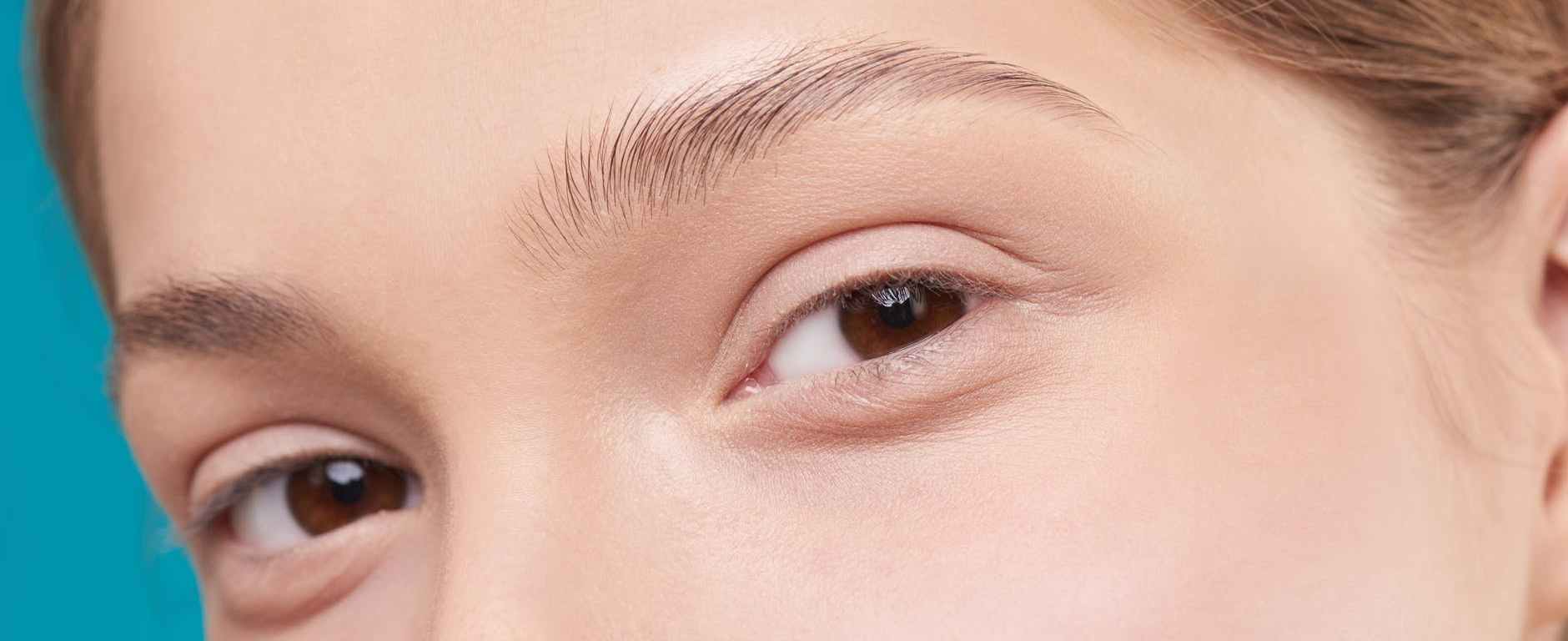
Find out if you should add retinol to your skincare system!
Basic moments
- Retinol is one of the most powerful and popular anti-aging ingredients used to reduce visible wrinkles, fine lines and hyperpigmentation.
- It also helps reduce the appearance of acne by stimulating cellular renewal.
Retinol is a retinoid form of vitamin A and is the gold standard for reducing the signs of skin aging. It is able to accelerate cellular renewal and reduce the appearance of wrinkles, fine lines and age spots for firmer, smoother and more even skin. Retinol may also help reduce the appearance of acne by preventing clogged pores.
Why use retinol?
Skin aging occurs for a number of reasons, from exposure to environmental factors to stress and natural aging. As skin ages, cellular renewal and collagen production slow down. Visible signs of skin aging (hyperpigmentation, fine lines, wrinkles, etc.) result from our skin’s natural defense mechanisms and slower cell turnover and skin repair. Retinol is an excellent choice for correcting premature aging because it speeds up skin renewal to reduce the signs of aging.
Read Also: Personal Injury Attorney Utah
How does retinol work on the skin?
Retinol stimulates skin cell renewal. As a result, the skin becomes smoother. In order to tolerate retinol well, the skin needs to accumulate so-called “retinoid receptors”. These receptors are proteins found naturally in the skin and they help retinol do its job. The skin can produce retinoid receptors through controlled exposure, so it is often recommended to start with low retinol products and gradually increase the concentration.
Types of retinol
Retinol belongs to a family called retinoids. These are forms of vitamin A that help increase cell turnover, speed up skin renewal, effectively even out skin tone and correct age-related changes.
Retinoids have the strongest effect on collagen! They work in two ways: they help reduce the breakdown of collagen from sun exposure and stimulate the production of new collagen.
- Retinoic acid is a prescription-only type of retinoid in forms such as isotretinoin and tretinoin, but has the greatest potential for skin irritation.
- Retinol is the strongest retinoid available without a prescription. Although highly effective, retinol is 20% weaker than retinoic acid and slowly converts to retinoic acid in the skin. This also means that there is less skin irritation than with retinoic acid.
- Retinyl palmitate , retinyl propionate , and retinyl acetate are the lightest retinoids, also known as retinol esters. They take longer to convert to retinoic acid and carry a minimal risk of skin irritation.
- Microencapsulated retinol . Some forms of retinol are microencapsulated to help stabilize the retinol for maximum effectiveness. Microencapsulated retinol also creates an invisible shield on the skin’s surface to help minimize moisture loss, which is essential to reduce the appearance of wrinkles and fine lines.
How to use retinol
- Start using retinol gradually: slowly increasing skin resistance helps reduce the risk of irritation. Start using it once every week, then every other day, and then move on to daily use.
- Apply retinol at night to avoid skin irritation from sun exposure.
- Always use sunscreen during the day to protect your skin from sun exposure.
- Avoid other exfoliants unless they are intended to be used with retinol.
- Observe the skin at the beautician while using products with retinol.
- Avoid retinol if you are pregnant or breastfeeding.
Does retinol cause flaking, inflammation or redness?
Your skin may take up to a few weeks to adapt to retinol. At the same time, you may experience flaking and slight inflammation, as well as other forms of sensitivity. This is normal and should stop when your skin builds up retinoid receptors. Some people call this a “cleansing” period, but your skin is actually building up its receptors through controlled exposure.
Does retinol cause age spots?
Retinol does not cause age spots (hyperpigmentation); in addition, it is used to lighten them. However, retinol makes the skin more sensitive to the sun, so if you have retinol products in your skincare routine, you should use sunscreen and reapply frequently throughout the day. Any sun damage can reverse your progress and increase the appearance of age spots and other signs of skin aging.
 Women 4 Health